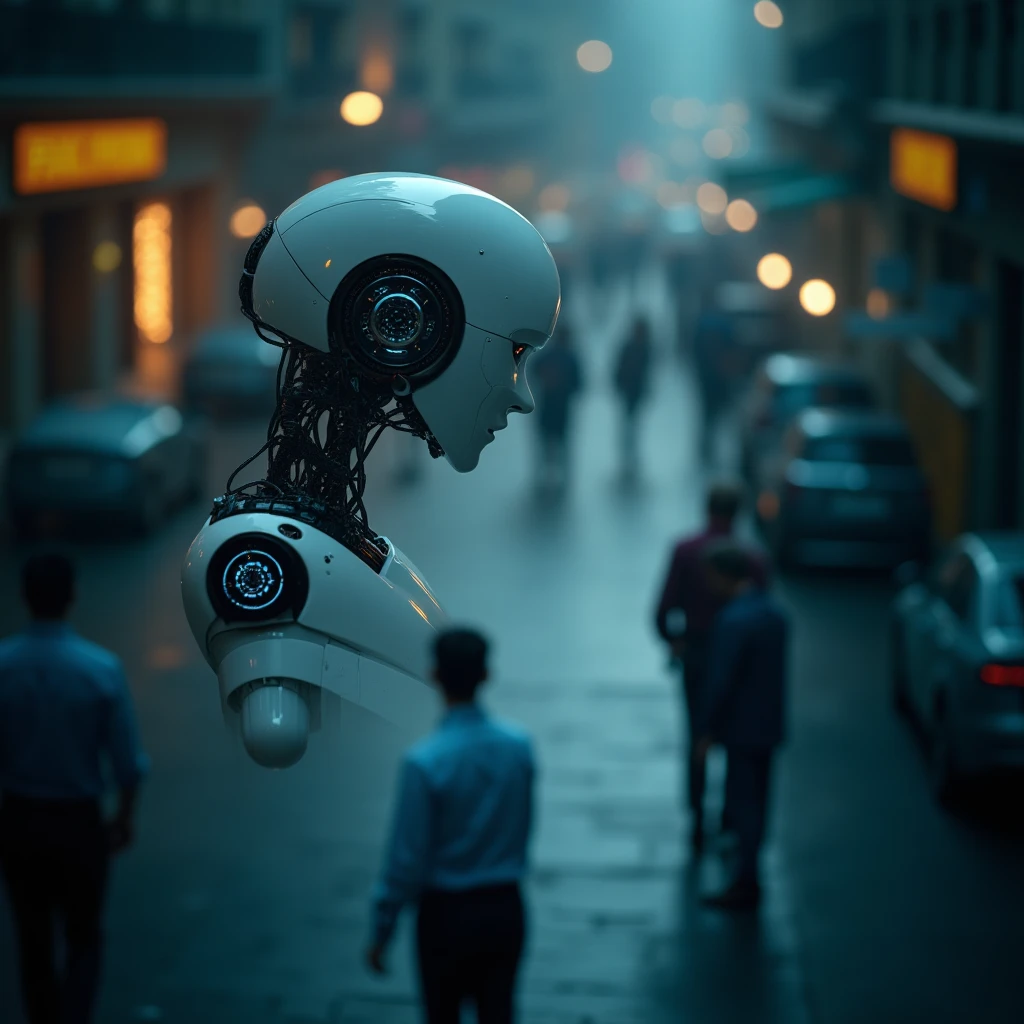
Will AI Actually Take Your Job? 5 Roles That Are Safe in 2026
AI is here, and it’s not leaving. It’s slicing through industries like a hot knife through butter. While some jobs are on the chopping block, others are as safe as a vault. Wondering if you’ll be handing over your ID badge to a robot soon? Let’s take a no-nonsense look at the jobs that AI won’t be snatching up by 2026.
1. Human Resources Managers
AI can automate the paperwork, but it can’t replace the human touch of HR managers. These folks are the glue holding companies together. They deal with complex human emotions, mediate conflicts, and bring a personal touch to recruitment and retention. Machines can process data, but they can’t read the room or understand office politics.
- Handling interpersonal conflicts requires emotional intelligence.
- Recruitment involves understanding candidate nuances and company culture.
- Employee retention strategies need a human touch only real-life experience provides.
2. Creative Professionals
Creativity isn’t just about putting paint on a canvas or words on a page. It’s about originality, emotion, and human experience. AI can generate art and write articles, sure. But can it truly feel or innovate like a human? Not yet. Designers, writers, and artists bring unique perspectives that machines just can’t replicate.
- Original ideas stem from human experiences.
- Artistic expressions are deeply personal and emotional.
- AI lacks the ability to feel or create something truly new.
3. Healthcare Professionals
AI can diagnose and even assist in surgeries, but it can’t replace doctors, nurses, and therapists. Patients need empathy, reassurance, and a human ear. While machines can handle data analysis, they can’t hold your hand or offer comfort in a way that only people can.
- Patient care requires empathy and personal interaction.
- Complex medical decision-making goes beyond data.
- Therapists provide emotional support that AI can’t offer.
4. Skilled Trades
Good luck teaching a robot to fix your plumbing or wire your house. Skilled trades require hands-on work, often in unpredictable environments. Electricians, plumbers, and carpenters need real-world problem-solving that AI can’t replicate. Until robots can climb ladders and handle a wrench, these jobs are safe.
- Hands-on work in varied environments is hard to automate.
- Problem-solving in the field needs human intuition.
- Trade skills often require quick, on-the-spot decisions.
5. Mental Health Specialists
AI might analyze speech patterns and predict mental health issues, but it can’t replace the genuine connection between a therapist and a patient. Mental health treatment is an art as much as a science, requiring empathy, active listening, and nuanced understanding of human behavior.
- Patients need empathy, not just data analysis.
- Human connection is a critical part of therapy.
- Understanding subtle cues and emotions is beyond AI’s reach.
Conclusion
AI is reshaping the workforce, but it’s not the employment apocalypse some fear. It excels at data crunching and repetitive tasks, but falls short on human interaction, creativity, and empathy. If your job relies on personal connections, emotional intelligence, and hands-on work, you’re likely safe. For now, at least, there are still areas where humans outshine machines. But don’t get too comfortable. The landscape isn’t set in stone, and future-proofing your career by staying adaptable and learning new skills is always a smart move.

Salman started Max News to cut through the corporate fluff in the tech world. As an independent researcher and writer, he focuses on honest, no-nonsense reporting on AI and automation. Salman believes tech should be easy to understand and actually useful. His work helps people track and understand where technology is going in 2026 and beyond.”