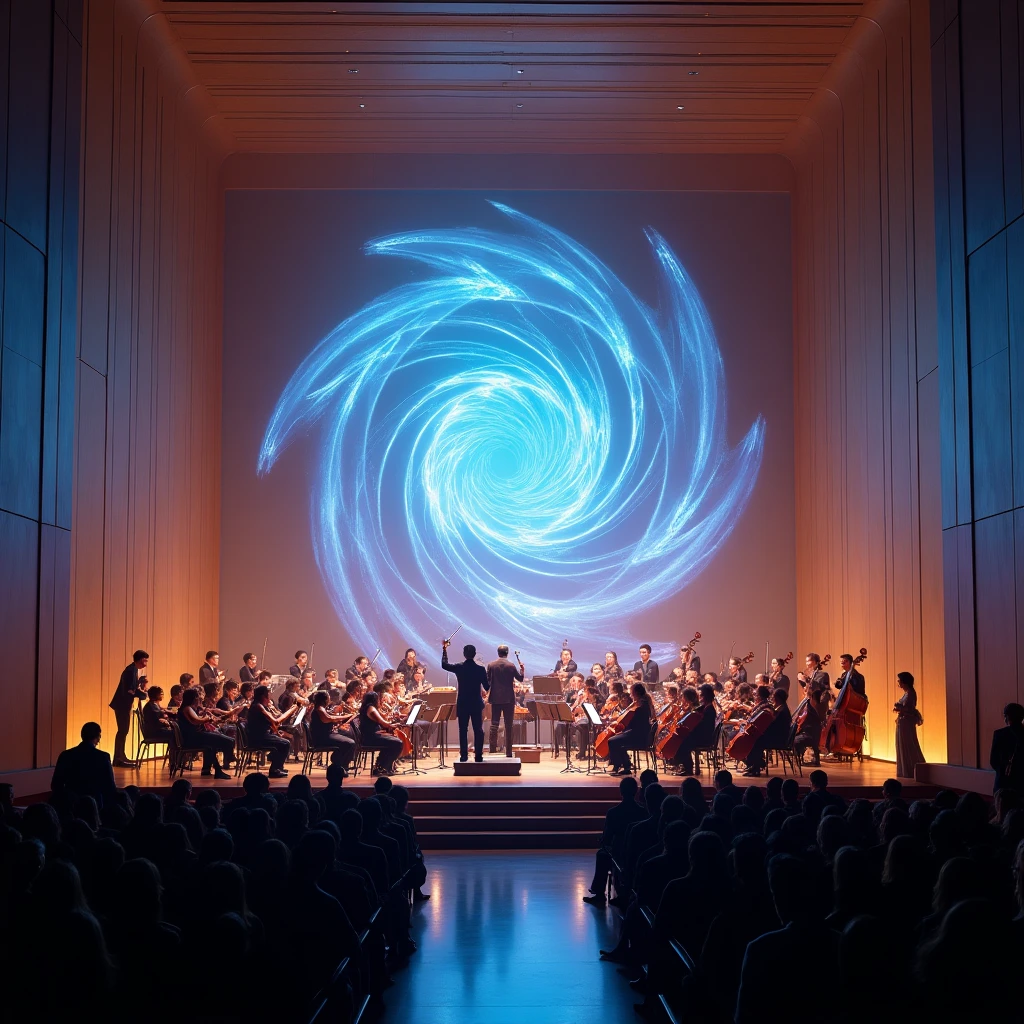
AI and Music: What Are We Looking At?
Artificial Intelligence writing music. Sounds like something out of a sci-fi film, right? But it’s real, and it’s happening. AI’s fingers are already deep in the pie, from generating melodies to composing full-blown symphonies. If you think that’s a joke, you’re not paying attention. Let’s get down to the nitty-gritty of what’s really happening when AI enters the music scene.
Machine-Composed Music: Fact or Fiction?
The ability of AI to compose music isn’t some futuristic fantasy. It’s here. Machines are learning the ins and outs of music theory, style, and even human emotion to produce tunes that could easily pass as human-made. Think of it like this:
- AI systems like OpenAI’s MuseNet can generate four-minute musical compositions with ten different instruments.
- Jukedeck, an AI music startup, allows users to create royalty-free music for videos at the click of a button.
- IBM’s Watson Beat analyzes and generates music based on mood and emotion.
These aren’t just random notes thrown together. These are coherent pieces of music that can make you feel something, and that’s where it gets interesting.
The Human Element in AI Music
Now, here’s the kicker. AI can mimic emotion, but does it truly understand it? Machines don’t feel. They process data. They can mimic a love song’s structure and melody, but they can’t understand heartbreak or joy. That’s a big gap. But do listeners care? Maybe not as much as you’d expect:
- Listeners often care more about the sound than the origin.
- AI music can be customized to fit personal preferences more quickly than a human composer might achieve.
- AI offers an endless supply of new music, keeping up with ever-evolving tastes.
So, while AI music might lack the soul of a human composer, it might still strike a chord with audiences.
Jobs at Stake or New Opportunities?
Let’s talk about the elephant in the room: jobs. Musicians and composers have every right to be worried. If a machine can do your job in seconds, where does that leave you? It’s a valid concern, but AI might not be here to replace but to assist:
- AI can handle repetitive tasks, freeing up composers to focus on creativity.
- Collaboration between human and AI can result in unique music that neither could create alone.
- New job roles may emerge, such as AI music trainer or music data analyst.
Yes, the landscape is shifting, but it doesn’t have to be all doom and gloom.
Impact on the Music Industry
The music industry faces a seismic shift. AI is shaking up how music is created, distributed, and consumed. Here’s what we might expect:
- Lower production costs could make music creation accessible to more people.
- AI-generated music could flood the market, making it harder for individual artists to stand out.
- Music personalization could reach new heights, as AI tailors playlists to individual tastes better than any human could.
This isn’t a temporary trend. AI is here to stay, and the music industry needs to adapt or risk falling by the wayside.
Ethical Concerns and Legal Hurdles
With AI churning out tunes, there’s a lot to consider on the ethical and legal fronts. Who owns AI-generated music? Is it the programmer, the user, or the AI itself? These questions are far from resolved, and the legal system is scrambling to catch up:
- Copyright laws were designed for human creators, not machines.
- There’s a risk of music becoming homogenized if AI continuously draws from the same data sets.
- Ethical concerns arise about the authenticity of AI-generated art.
These issues demand attention before AI becomes a dominant force in the music industry.
Final Thoughts: The Melody of the Future
AI writing music is both thrilling and terrifying. It’s a tool that can democratize music creation but also poses real threats to the traditional ways we’ve enjoyed music. Will AI be the maestro of our future playlists? Possibly. But, as with any technological advancement, it comes with strings attached. It’s up to us—musicians, listeners, and industry professionals—to decide how we want this to play out. We’re at a crossroads, and the future of music could be one hell of a show. Keep your ears open.

Salman started Max News to cut through the corporate fluff in the tech world. As an independent researcher and writer, he focuses on honest, no-nonsense reporting on AI and automation. Salman believes tech should be easy to understand and actually useful. His work helps people track and understand where technology is going in 2026 and beyond.”