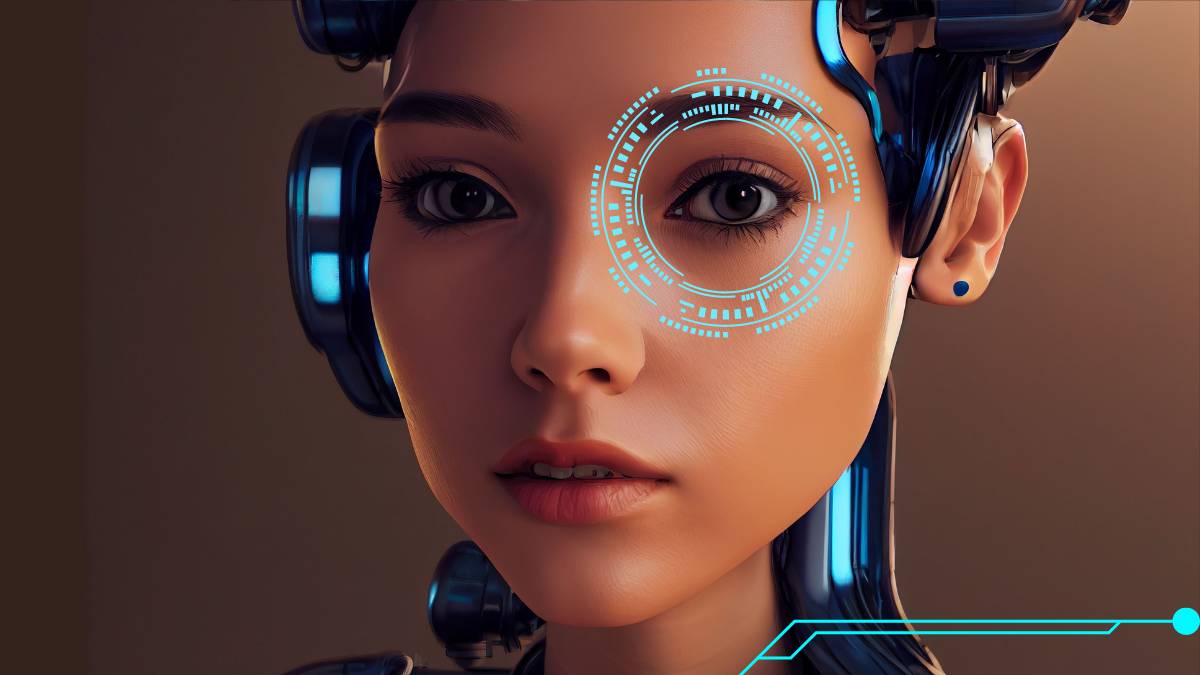
E-commerce is getting personal. If you’ve ever felt creeped out by that online ad that seems to know you too well, brace yourself. By 2026, hyper-personalization through machine learning in e-commerce isn’t just a buzzword—it’s the new normal. This isn’t some sci-fi fantasy; it’s happening right now, and if you’re not on board, you’re already behind.
The Reality Check: Why this matters right now.
E-commerce isn’t just about buying and selling anymore. It’s about making every customer feel like the MVP. Machine learning is digging into your data, figuring out what you want before you do. Companies are diving headfirst into this because it works. Personalized recommendations can boost sales significantly. But there’s a catch—privacy concerns are skyrocketing. People don’t like feeling stalked, and companies need to tread carefully or risk losing trust.
The Breakdown
1. Data is the New Currency
Forget about gold and oil; personal data is where it’s at. E-commerce companies are gathering info every time you click, swipe, or linger on a page. Machine learning tools sift through this data, finding patterns that even you might not be aware of. But here’s the rub: companies that don’t manage this data responsibly will face backlash. Data breaches are costly—not just in fines but in consumer trust.
2. The Algorithms are Getting Smarter
Remember when recommendations were hit or miss? Those days are over. Algorithms are now fine-tuned machines, learning from every interaction to predict what you’ll want next. They’re not just guessing; they’re learning. While this is great for convenience and sales, it raises ethical questions. How much should an algorithm influence what we buy?
3. Battle of the Titans: Small vs. Big Players
Big companies like Amazon have the resources to implement cutting-edge machine learning tools. Smaller companies? Not so much. This gap is widening, making it harder for small players to compete. But, there’s a silver lining. Niche markets can thrive by offering hyper-personalized experiences that bigger companies overlook.
4. Privacy Concerns and Regulations
As much as machine learning is helping e-commerce, it’s also a magnet for privacy issues. New regulations are coming in thick and fast. Companies need to be transparent about data usage. Consumers are more aware and will ditch brands that play fast and loose with their personal info.
What to do: Practical steps.
1. Get Your Data House in Order: Audit your data collection methods. Be transparent with customers about how you’re using their data.
2. Invest in Smart Algorithms: You don’t need to be Amazon, but you do need a smart recommendation engine. There are affordable solutions out there—find one that fits your business.
3. Focus on Niche Markets: Big players can’t cater to everyone. Find your niche and offer them something truly personalized.
4. Stay Ahead of Regulations: Keep up with privacy laws. Non-compliance isn’t an option.
The Future: Brutal predictions.
– Data Privacy Wars: As personalization becomes more prevalent, expect a tug-of-war between innovation and privacy.
– Consumer Backlashes: Trust will be a major currency. Brands that mess up their data strategies will face the wrath of consumers.
– AI Overload: More machine learning means more automation. Jobs in traditional marketing might shrink as algorithms take over.
– Regulatory Clampdowns: Governments will crack down harder on data misuse. Companies not prepared for this will suffer.
Summary (Bullet points)
– Personal data is the new gold.
– Algorithms are no longer guesswork—they’re precise.
– Big companies dominate, but niche markets are goldmines for small players.
– Privacy concerns are here to stay; navigate them wisely.
– Adapt or get left behind—simple as that.
Questions People Ask
1. How does machine learning affect my shopping experience?
Machine learning improves the accuracy of product recommendations and personalizes your shopping journey, making it more convenient and relevant.
2. Are my personal data safe with e-commerce sites?
It depends on the site. Reputable companies invest heavily in data security, but always be cautious and read privacy policies.
3. Can small businesses compete with giants like Amazon?
Yes, by focusing on niche markets and offering personalized services that big players can’t match.
4. Will there be more regulations on data privacy?
Absolutely. As personalization increases, expect stricter laws to protect consumer data.
5. What should I look for in a personalized shopping experience?
Look for accuracy in recommendations and transparency in data usage. If a company doesn’t make you feel secure about your data, shop elsewhere.

Salman started Max News to cut through the corporate fluff in the tech world. As an independent researcher and writer, he focuses on honest, no-nonsense reporting on AI and automation. Salman believes tech should be easy to understand and actually useful. His work helps people track and understand where technology is going in 2026 and beyond.”