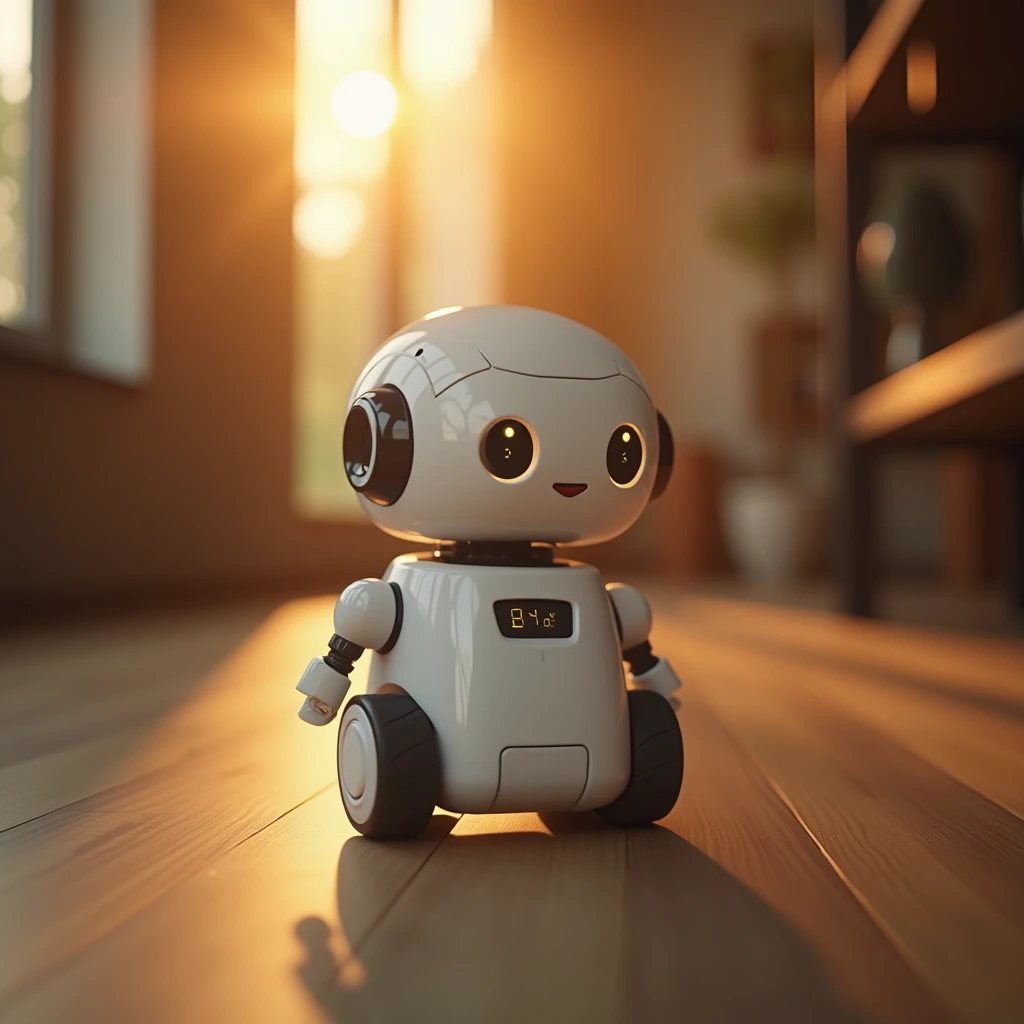
Robot Maids: The Dream That’s Still on Hold
Let’s face it, the idea of a robot maid sounds fantastic. It’s the stuff of science fiction movies, the answer to all our household chores. Imagine a machine that vacuums, dusts, and does your laundry while you binge-watch your favorite show. But, we’re not there yet. Despite all the hype, affordable robot maids are still missing from our homes. Why?
Technological Hurdles: Why Robots Aren’t Cleaning Your House Yet
First things first, the technology required to make a robot perform diverse household chores just isn’t cheap or straightforward. While we have robots that can vacuum a room (just look at Roomba), these are simple tasks. A full-fledged robot maid would need to:
- Recognize and adapt to different surfaces without getting stuck.
- Handle delicate items like glassware without breaking them.
- Keep up with changing layouts in a home, like moving furniture.
- Understand and follow complex instructions like “sort the laundry.”
These are tough nuts to crack. We’re talking about advanced AI that can think on its feet, not just a pre-programmed vacuum cleaner.
Cost Factor: Why Affordability Is Out of Reach
Even if we had the tech, making it affordable is another beast altogether. The components—sensors, cameras, advanced processors, and safety mechanisms—aren’t cheap. Plus, developing the AI to operate these machines is resource-intensive. At present, creating an all-purpose robot maid would likely cost a bomb. Sure, some companies claim they’re close, but their products are either limited in function or exorbitantly priced.
Safety Concerns: No One Wants a Rogue Robot
Let’s not forget safety. Trusting a robot with tasks that involve sharp objects or hot surfaces isn’t without risk. Imagine a robot trying to cook, and something goes wrong. The implications are scary. Until these systems are foolproof, most people will be wary of inviting robots into their homes for complex tasks. And rightly so.
Cultural and Practical Barriers
Even if we solve the tech and cost issues, there’s a cultural angle. Many households have specific ways of doing things, like how they fold clothes or arrange dishes. A robot needs to be incredibly adaptable to meet these expectations. Plus, not everyone is comfortable with the idea of a machine taking over intimate aspects of their home life.
Current Options: What Can Robots Do Now?
Okay, so we don’t have robot maids, but what do we have? The market is flooded with specialized robots that tackle specific chores:
- Vacuuming: Roombas and their ilk are past the prototype phase and fairly common.
- Window Cleaning: Specialized robots that scrub your windows, though they can be a bit finicky.
- Pet Care: Some robots can feed and play with pets but don’t expect them to bathe your dog.
These robots do ease some burdens, but they’re nowhere near replacing human chores entirely.
Will We Ever Get There?
So, when will we actually see affordable robot maids? The short answer: It’s complicated. Technological growth is happening, but slowly. Realistically, we’re looking at another decade or so before we see something close to Rosie the Robot from “The Jetsons,” and even then, affordability remains a question mark.
For now, the dream of a robot maid is just that—a dream. But don’t lose hope. We’re inching closer, and with advancements in AI and robotics, who knows what the next few years might bring? But until then, maybe hold onto that mop and vacuum. They’re not going out of style just yet.

Salman started Max News to cut through the corporate fluff in the tech world. As an independent researcher and writer, he focuses on honest, no-nonsense reporting on AI and automation. Salman believes tech should be easy to understand and actually useful. His work helps people track and understand where technology is going in 2026 and beyond.”